Micro-Credentials
Short, focused programs that offer the specific learning you need – when you need it.


Short, focused programs that offer the specific learning you need – when you need it.

Whether you're strengthening your current role or preparing for your next opportunity, these micro-credentials can help you build practical skills in high-demand areas of public safety.

Gain a practical introduction to the world of cybercrime and learn how cybercriminals exploit technology, social media, and human behaviour. This program covers common cyber threats, their impact on individuals and organizations, and practical strategies for protecting personal information and reducing cyber risk.
Best for: Professionals, students, and anyone interested in cybersecurity and/or public safety who wants a strong foundation in recognizing, preventing, and defending against cybercrime.

Develop the practical skills to communicate clearly and confidently before, during, and after a crisis. This program teaches you how to create crisis communication plans, manage public and media relations, tailor messages for different audiences, and serve as an effective spokesperson during emergencies.
Best for: Communications and marketing professionals, emergency management personnel, public sector employees, first responders, and organizational leaders who may need to communicate with the public, media, or stakeholders during high-pressure situations.

Build practical skills to investigate cybercrime and uncover digital evidence using industry-relevant techniques. This program covers cybercrime investigation fundamentals, open-source intelligence (OSINT), encryption, steganography, and methods for finding, protecting, and analyzing information in online environments.
Best for: Professionals and students interested in cybersecurity, intelligence, investigations, law enforcement, or public safety who want to develop foundational cybercrime investigation skills.
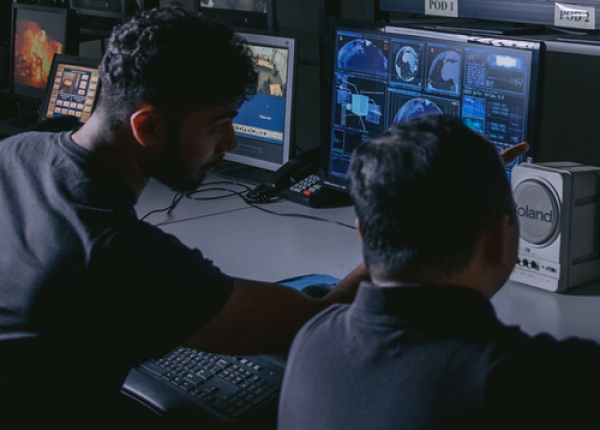
Learn how to design, facilitate, and evaluate emergency management exercises that strengthen organizational preparedness and response capabilities. Through two instructor-led online courses, you'll develop practical skills in scenario development, multi-agency exercise planning, evaluation, and after-action reporting to create realistic exercises that improve operational readiness.
Best for: Emergency management professionals, first responders, government employees, and public safety practitioners responsible for planning, delivering, or evaluating emergency exercises.

Learn how to use Geographic Information Systems (GIS) to support emergency management planning, response, and decision-making. This program develops practical mapping and spatial analysis skills, enabling you to collect, visualize, and interpret geographic data to improve situational awareness and emergency operations. Now eligible for StrongerBC Future Skills Grants.
Best for: Emergency management professionals, planners, government employees, first responders, and anyone who wants to use GIS and mapping tools to strengthen emergency preparedness, response, and recovery.
Gain a practical understanding of malware, how it works, and how to defend against it in both personal and organizational environments. This program explores common types of malware including ransomware, rootkits, keyloggers, viruses, and worms. It also covers malware recovery, digital forensics, and open-source intelligence (OSINT) techniques used to investigate attacks.
Best for: Professionals, students, and aspiring cybersecurity practitioners who want to build foundational knowledge of malware detection, prevention, and investigation or explore a career in cybersecurity.
Micro-credential is a type of programming that allows learners to gain specialized career-developing skills that meet the needs of employers. Micro-credentials are fast, flexible, and perfect for the learner looking to upskill or reskill to remain competitive in their chosen field. They can also offer entry pathways to longer credentialed programs or provide ongoing professional development for strategic alignment with current industry standards.
Different types of credentials (e.g. Associate Certificates or Professional Certificates) can be designated as micro-credentials if they are structured to meet the province's requirements as outlined in the Micro-credential Framework. For more information on credential types, visit JIBC's Program Completion and Credentials Policy.
In addition to receiving the relevant credential for the program, students who complete a program structured as a micro-credential will also earn a digital badge.
